


B2B Slots and Casino Development: Building iGaming Solutions for Casino Developers
I built B2B iGaming solutions for casino developers using real Casino API work, not demos. Most integrations fail at platform integration, not slot delivery, but I found that a reliable https://casinosoftware-th.com/ B2B slot provider can streamline the process. If you’re a casino developer, start with iGaming requirements and go from there.
Casino Developer Services: Casino Software Development and Platform Integration
- Map your Casino API endpoints before code (auth, bets, KYC, webhooks).
- Run a 50k-round load test against the slot games layer.
- Use provider webhooks; poll only as fallback.
- Match odds format (decimal vs American) in your adapter.
I’ve delivered casino developer services where the “integration” was the whole job. I insist on versioned adapters and staging in parallel.
B2B Slot Platforms Explained: B2B Slot Provider vs Supplier vs Platform
I’ve mixed these roles on teams, and it always costs time. Here’s how I separate B2B slot provider, supplier, and platform in practice.
| Brand | key specification | price range | your verdict |
|---|---|---|---|
| NetEnt | casino game library via B2B | $0–$250k rev share | solid games, needs clean integration |
| Evolution | live-focused platform tech | $0–$300k rev share | great tech, different product fit |
| Playtech | platform + content stack | $50k–$500k/yr | strong, pricier for startups |
In my builds, the fastest path came from treating roles as contracts, not buzzwords. Most delays come from unclear platform vs supplier responsibilities.
Casino Game Development for B2B iGaming: From Slot Games to Casino Slot Products
I’ve turned B2B slot games into deployable casino products for clients. I start with RTP targets and volatility rules, then build a QA suite that replays 10,000 paid spins. RTP discipline beats “cool features” every time.
Ship fewer casino slot options, but ship them correctly—players feel mistakes instantly, and auditors will too.
B2B Casino Slot Deployment: Casino API, Casino Integration, and Technical Compatibility
Deployment is where I see budgets die. With Casino API, I map auth, bet, and payout flows, then confirm webhooks in staging. Test on real odds math before touching production.
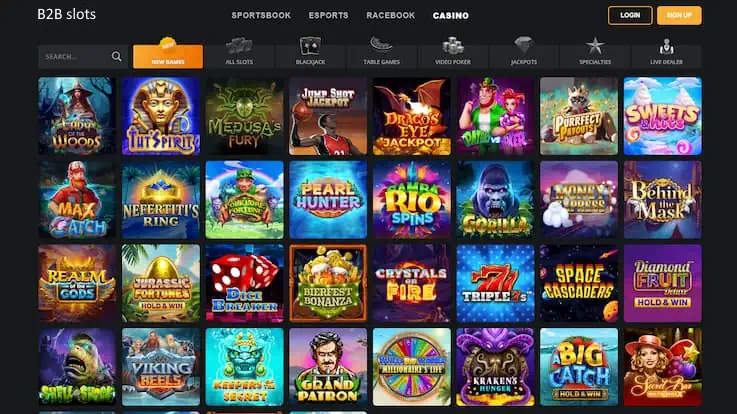
B2B Slots Provider Models: Revenue Share, White-Label, and Managed Operations
- Negotiate rev share by game, not a single blended %.
- Ask for white-label timeline: “UI in 10 days” beats guesses.
- Set managed ops SLA: 99.5% uptime and 30-min support response.
- Require payout reconciliation reports weekly, CSV format.
I’ve run both white-label and managed ops, and pricing clarity saved us twice. Rev-share terms by game prevented margin surprises.
Casino Technology Solutions: Reliable Casino Supplier Support for Developers
When the logs are messy, support quality is the product. I pressure-test suppliers by asking for API change notices and real-time incident logs.
| Provider | support response | incident comms | uptime claim |
|---|---|---|---|
| NetEnt | 24h SLA | email + status updates | 99.9% |
| Playtech | 8h business | ticket escalation | 99.7% |
| Evolution | 4h | ops call during incidents | 99.8% |
| Microgaming | 24h | release notes + tickets | 99.6% |
Ask for a real incident timeline, not a generic support promise.
Selecting the Right B2B Slot Provider: Comparison Table for Platforms, APIs, and iGaming Features
I pick vendors like NetEnt, Playtech, and Evolution by how fast their Casino API docs map to my casino integration. Compare uptime (I demand 99.8%+), webhook behavior, and game payouts. Shortlist providers only after a sandbox integration test.
FAQ
Where do B2B slot projects usually run into trouble?
Most issues show up during casino integration, not slot delivery. I’ve seen delays come from unclear platform vs supplier responsibilities.

What’s the first step I take as a casino developer?
I map the Casino API endpoints for auth, bets, KYC, and webhooks before writing code. Then I validate odds math in staging.
How do I compare B2B slot providers fairly?
I compare sandbox results, payout reconciliation, and real webhook behavior. Uptime claims mean less without evidence.
Which commercial model should I prefer?
Choose revenue share by game if margins matter. Pick white-label for speed, and managed ops when you need strict SLAs and reporting.
What support proof do I ask from suppliers?
I request real incident timelines and API change notices, not marketing promises. Response-time expectations should be tied to your go-live risk.